






How to Free and Lubricate a Seized Chain Mechanism in Two Steps
A Two-Step Fix: Penetrate and Lubricate
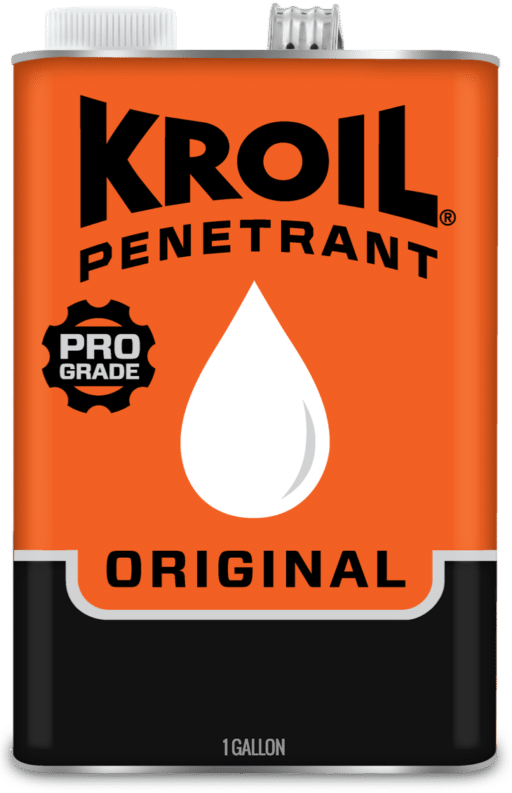
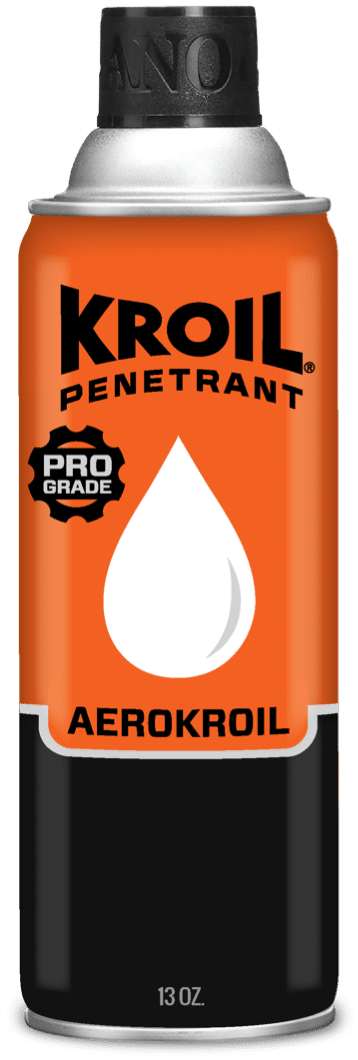
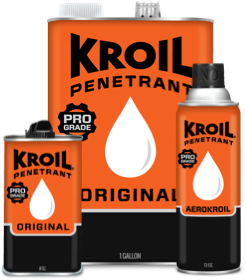
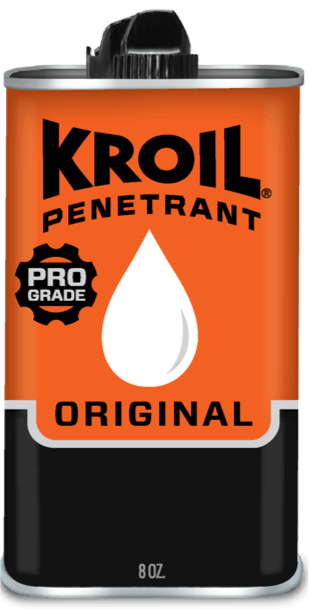
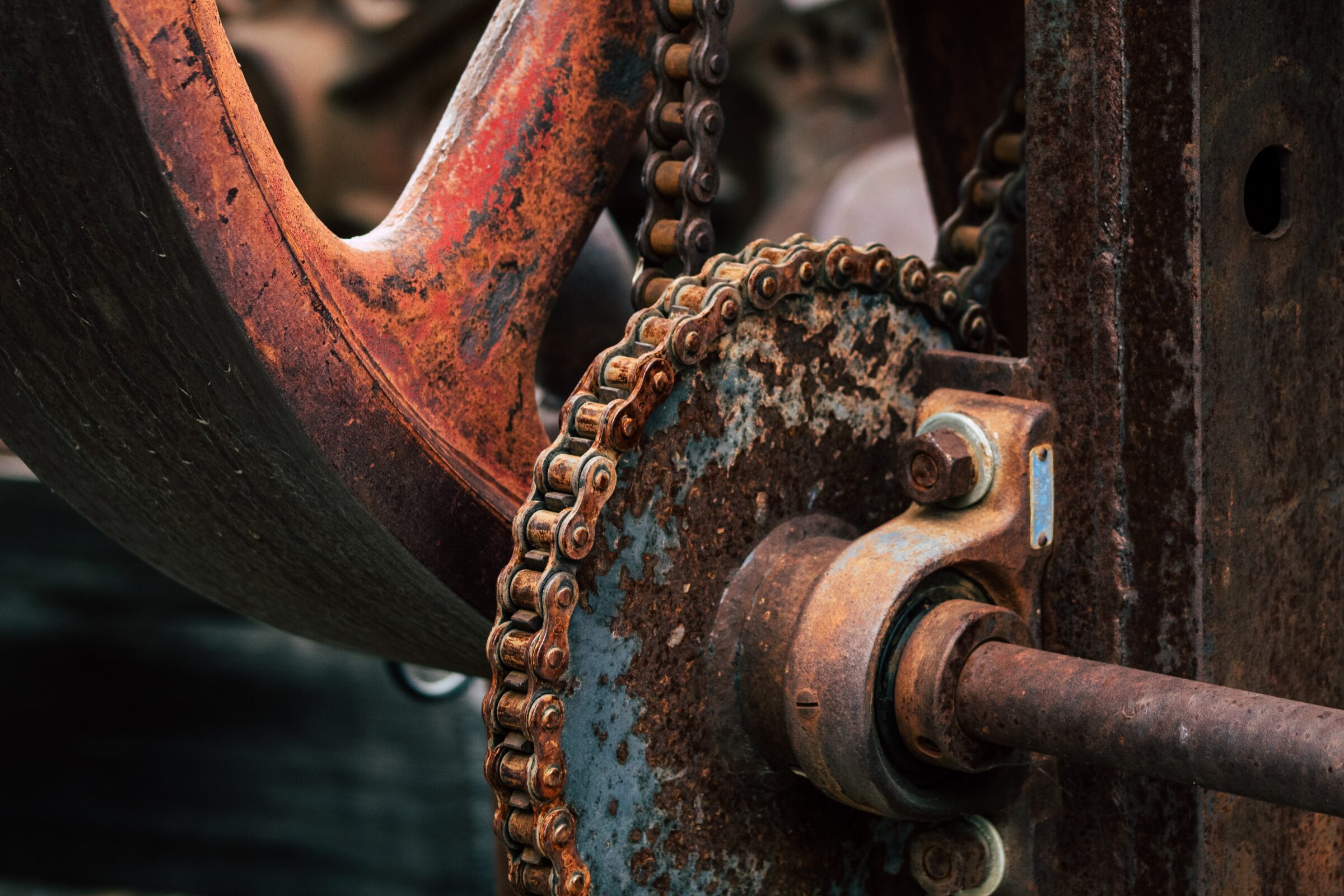
Step one is penetration. Kroil Original Penetrant’s low-surface-tension formula works its way into the rust bond between chain links, rollers, and pins; areas where conventional lubricants can’t reach. Applied directly to the affected section of chain, Kroil begins breaking down corrosion within 15 to 30 minutes in most cases, making manual movement possible without risk of snapping links or damaging sprockets.
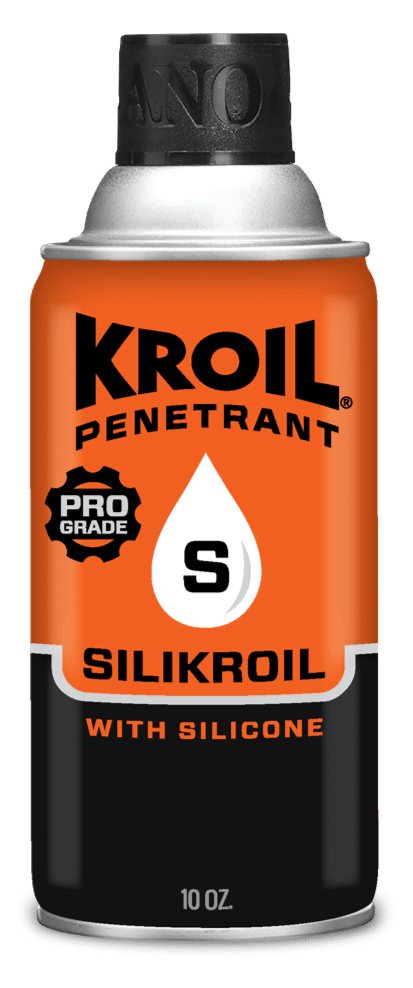
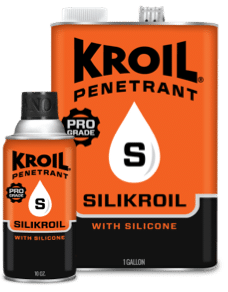
Step two is lubrication. Once the chain is free and moving, Silikroil is applied as a top-coat. The silicone formula cleans residual rust and debris from the chain surface, while depositing a durable lubricating film that significantly reduces friction and resists future corrosion. This two-step sequence is more effective than any single-product approach because it addresses both the existing corrosion and the need for ongoing lubrication.
How to Free and Lubricate a Seized Chain
- Apply Kroil Original Penetrant liberally along the seized section of chain, working it into links, pins, and rollers.
- Allow 15–30 minutes of soak time. For heavily corroded chains, re-apply and extend the soak.
- Gently work the chain by hand or with a controlled mechanical cycle to begin breaking the corrosion bond.
- Once movement is restored, apply Silikroil along the full chain run.
- Cycle the chain through several revolutions to distribute the silicone lubricant evenly before returning to operation.
This two-step method works across roller chains, conveyor chains, bicycle chains, anchor chains, and more. For equipment that sits for extended periods between use, treat chains with Silikroil as a preventive measure before storage to significantly reduce the likelihood of seizing on the next startup.