









How to Free Rusted Engine Pistons Without Causing Damage
Why a Silikroil Soak Matters
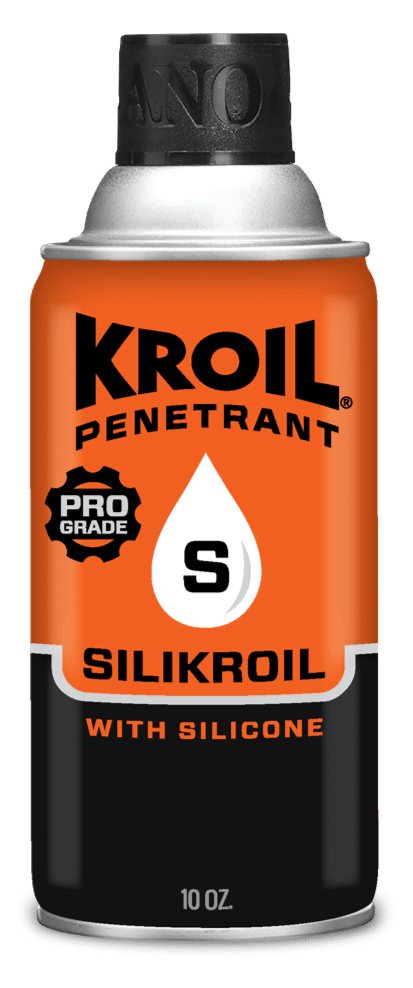
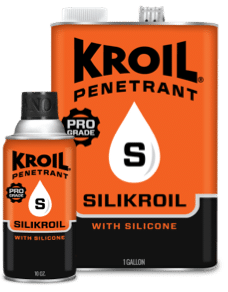
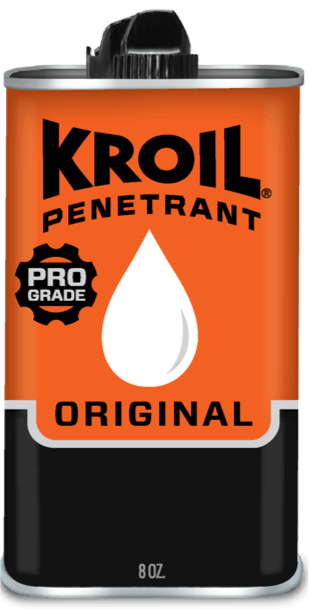
The correct maintenance approach starts with Silikroil applied directly to the cylinder. Silikroil’s low-viscosity formula seeps past the piston rings and into the rust interface between the piston and cylinder wall – reaching the exact point where corrosion has created the bond. Given adequate dwell time, it breaks that bond progressively, making controlled removal possible without damaging surrounding components.
For lightly corroded pistons, 30 to 60 minutes of soak time may be sufficient. Pistons that have been seized for an extended period, particularly in equipment sitting outdoors or in humid environments, may require multiple applications over several hours or overnight. In fact, fleet mechanics and heavy equipment technicians routinely allow Silikroil to work overnight before attempting removal of severely seized cylinders.
How to Free a Seized Engine Piston
- Remove any accessible components to gain direct access to the cylinder opening.
- Apply Silikroil liberally into the cylinder, directly onto the piston crown and around the ring land area.
- Allow a minimum of 30–60 minutes for moderate seizing. For severe cases, re-apply and allow several hours or overnight.
- Apply slow, steady force, rocking the piston gently rather than driving it with sudden impact.
- Once freed, inspect cylinder walls and piston rings for damage before reassembly.
Silikroil is a must-have in the toolboxes of experienced fleet mechanics and engine rebuilders precisely because it eliminates the risk that comes with forcing corroded components.