





How to Lubricate Air-Driven Rivet Guns to Prevent Production Downtime
Why Pneumatic Tools Seize and How Kroil Fixes Them
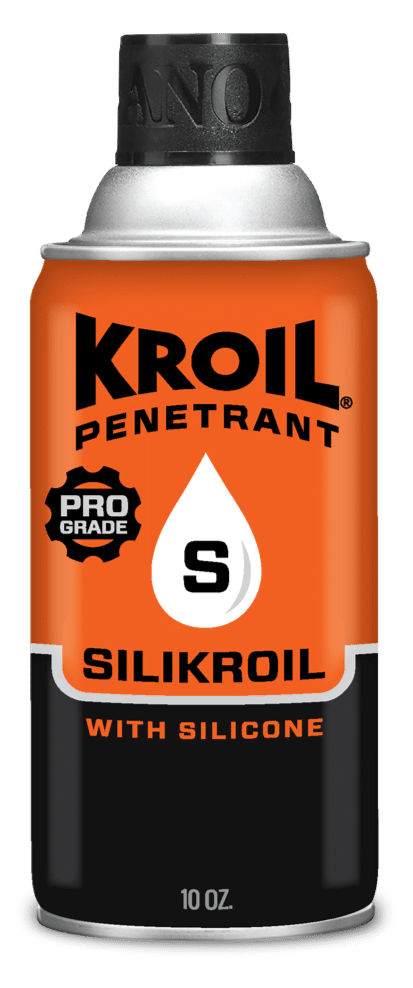
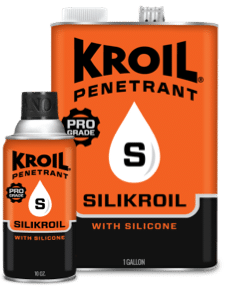
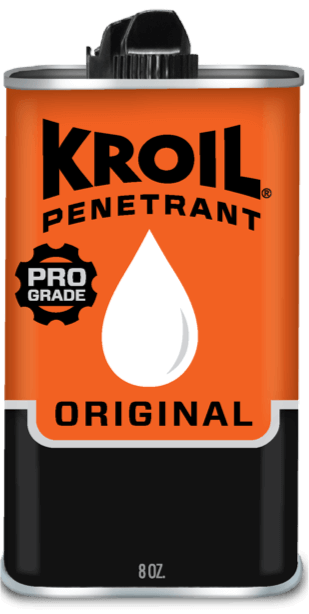
Silikroil’s specialized low-viscosity formula creeps into the tight tolerances of pneumatic tool mechanisms, flushing out contaminants. It leaves behind a durable silicone-based lubricating film that holds up under the repeated cycling of air-driven equipment.
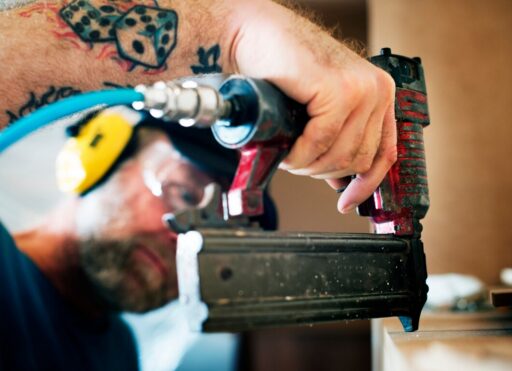
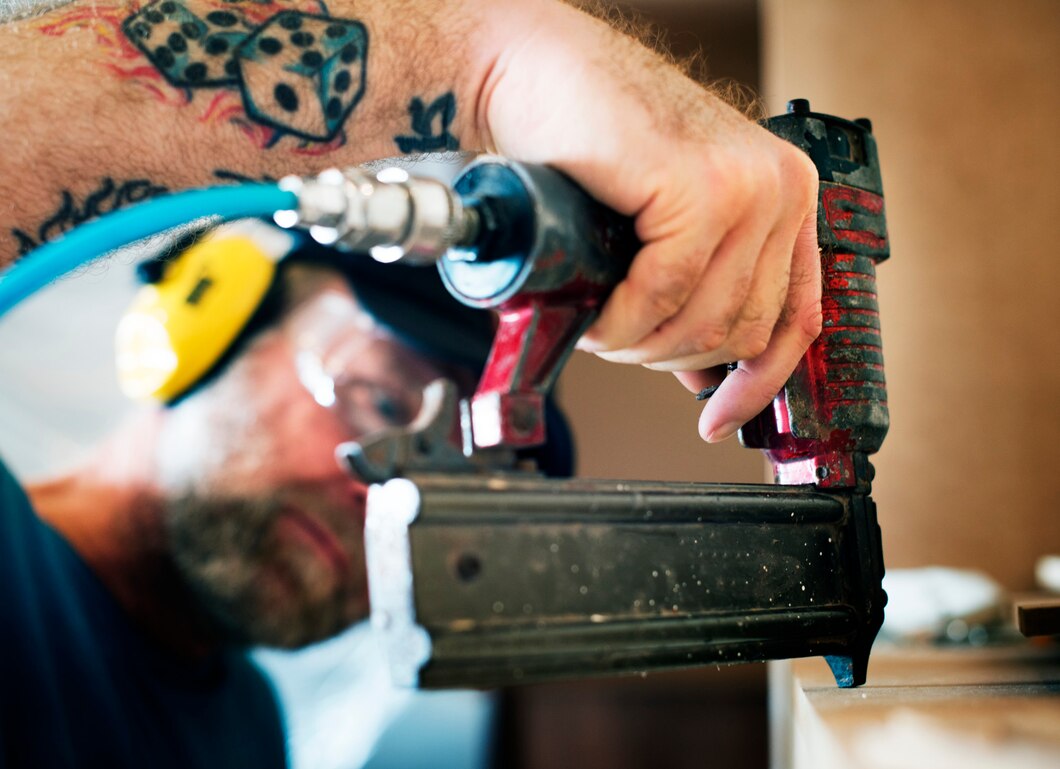
When a large aerospace manufacturing facility reported slowing rivet guns across their production floor, the maintenance team applied Silikroil to the air inlets, trigger mechanisms, and drive components. Within 15 to 30 minutes, tools that had been dragging were cycling smoothly again, and production resumed without the need for tool disassembly or replacement.
How to Apply Silikroil to Air-Driven Rivet Guns
- Disconnect the air supply before applying any penetrant to the tool.
- Apply Silikroil directly to the air inlet port, trigger pivot, and any accessible drive mechanism.
- Allow 15–30 minutes for the formula to penetrate and displace moisture and debris.
- Reconnect the air supply and cycle the tool several times to distribute the lubricant through the mechanism.
- Wipe away any excess from exterior surfaces and inspect for smooth, consistent operation.
For preventive maintenance, apply Silikroil to pneumatic tools at regular service intervals, particularly in environments with high humidity or airborne particulates. This small investment in lubrication translates to significant savings related to potential tool replacements and downtime.